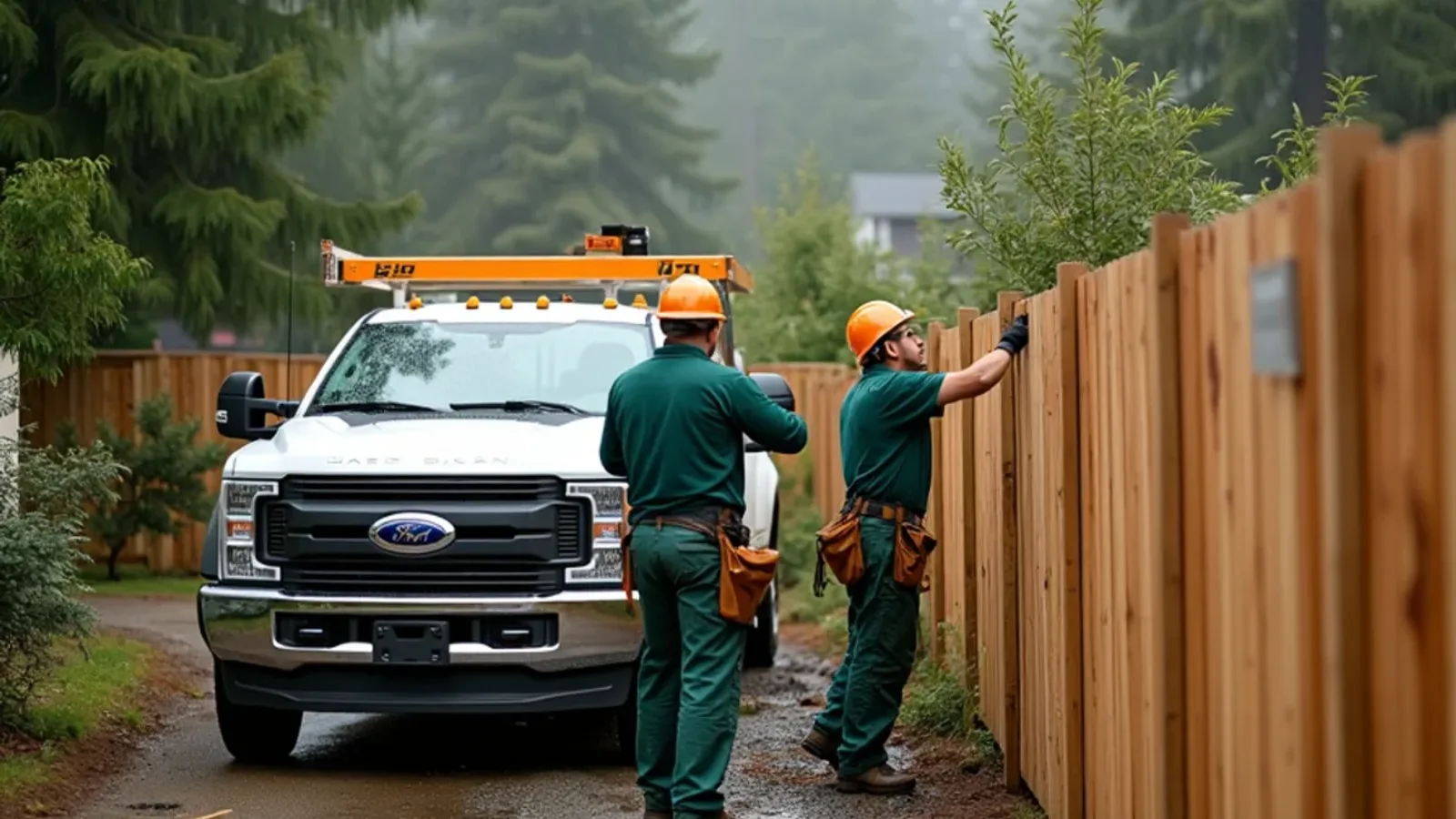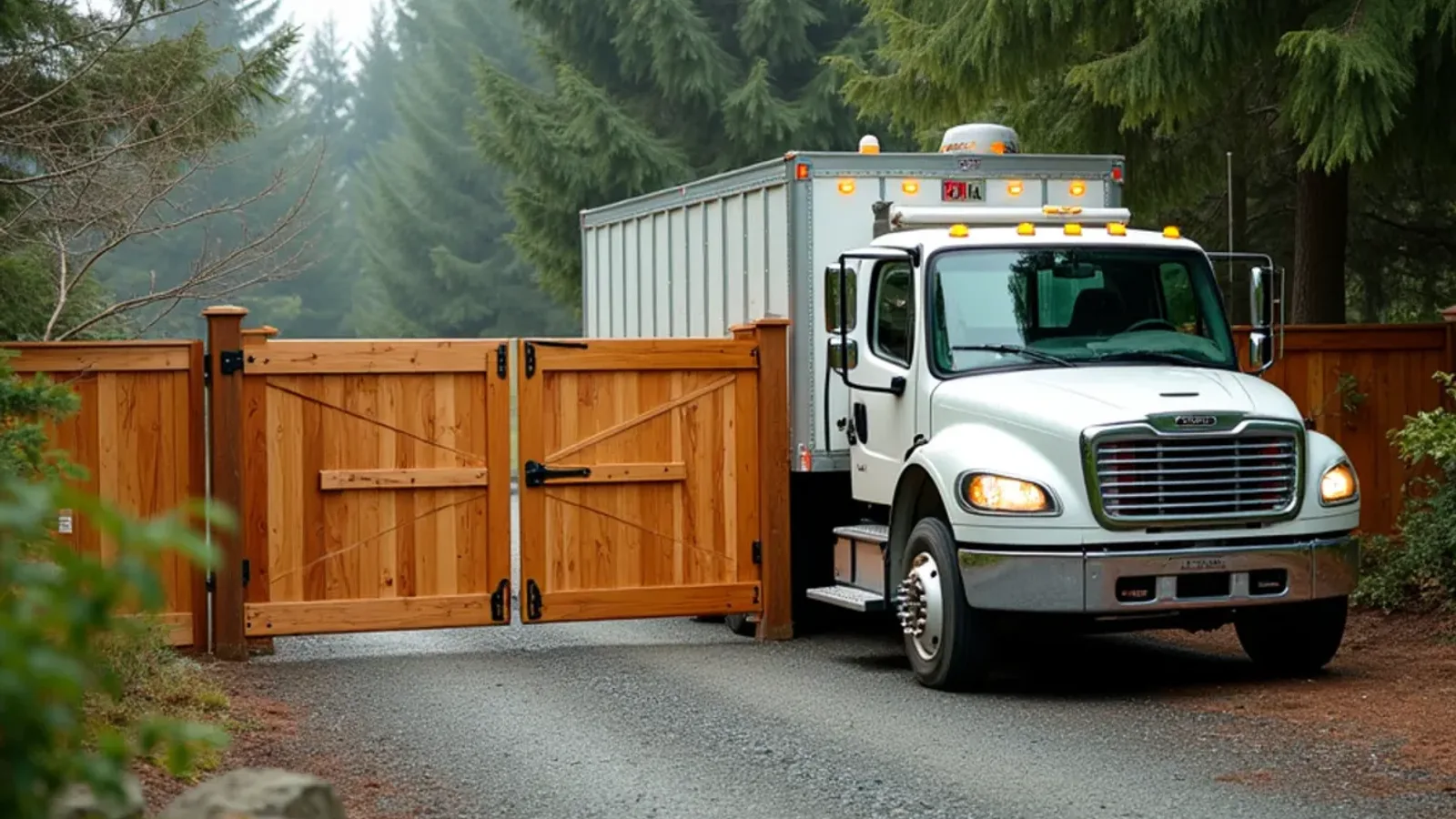
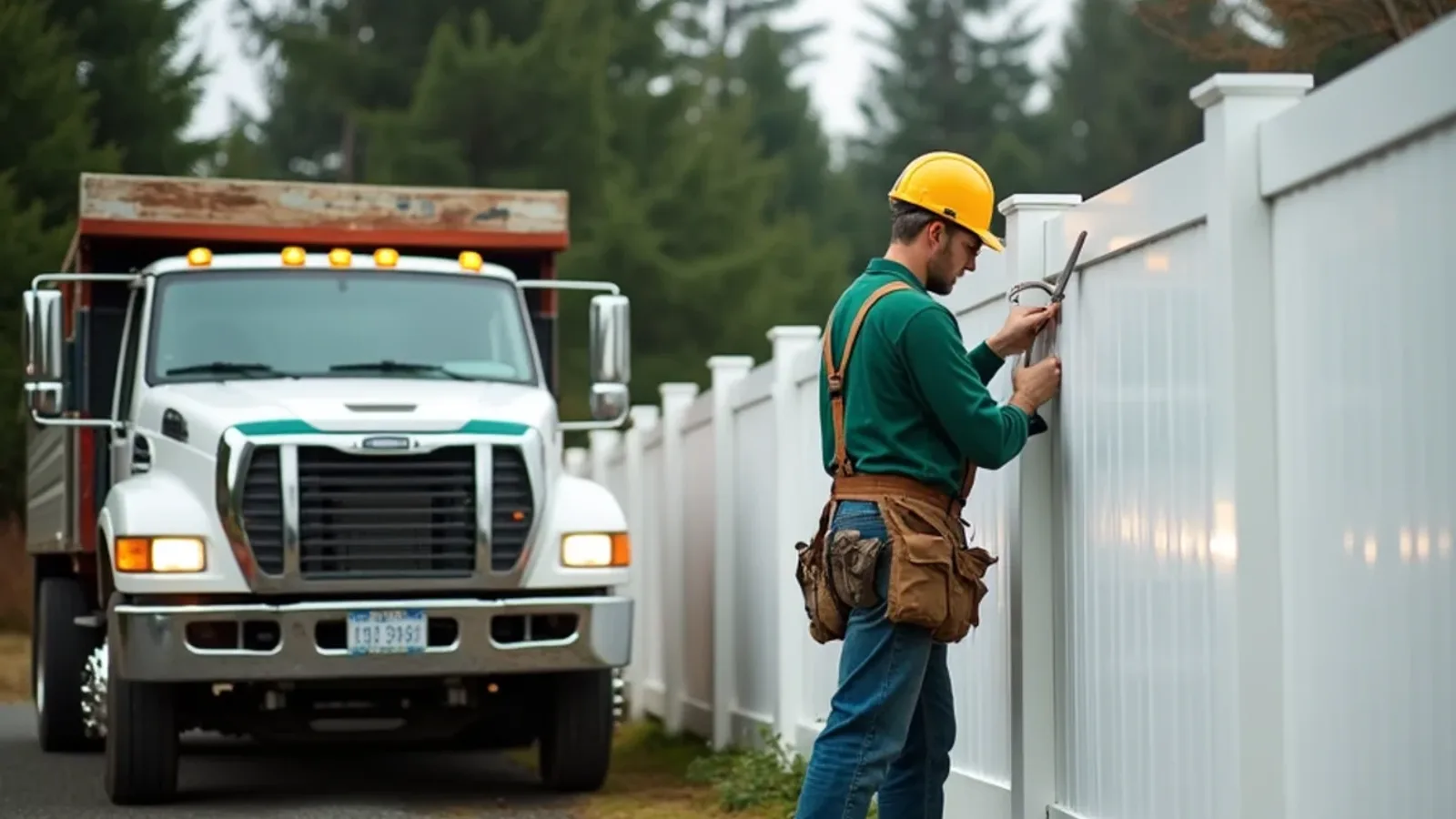
Puyallup is about 15 miles and 25 minutes from our Lakewood base, down on the valley floor near the Washington State Fair grounds. The ground is what makes fencing here different from the drier plateaus and prairies around it: these are soft river soils with a high water table, and much of the valley sits inside mapped Mount Rainier lahar zones. A post hole in that ground can fill with water, so footings need real drainage planning rather than a quick pour. Getting the footing right is the whole job here. We have fenced these valley yards since 2017 and carry full insurance and bonding.
Valley-floor river soils and a high water table
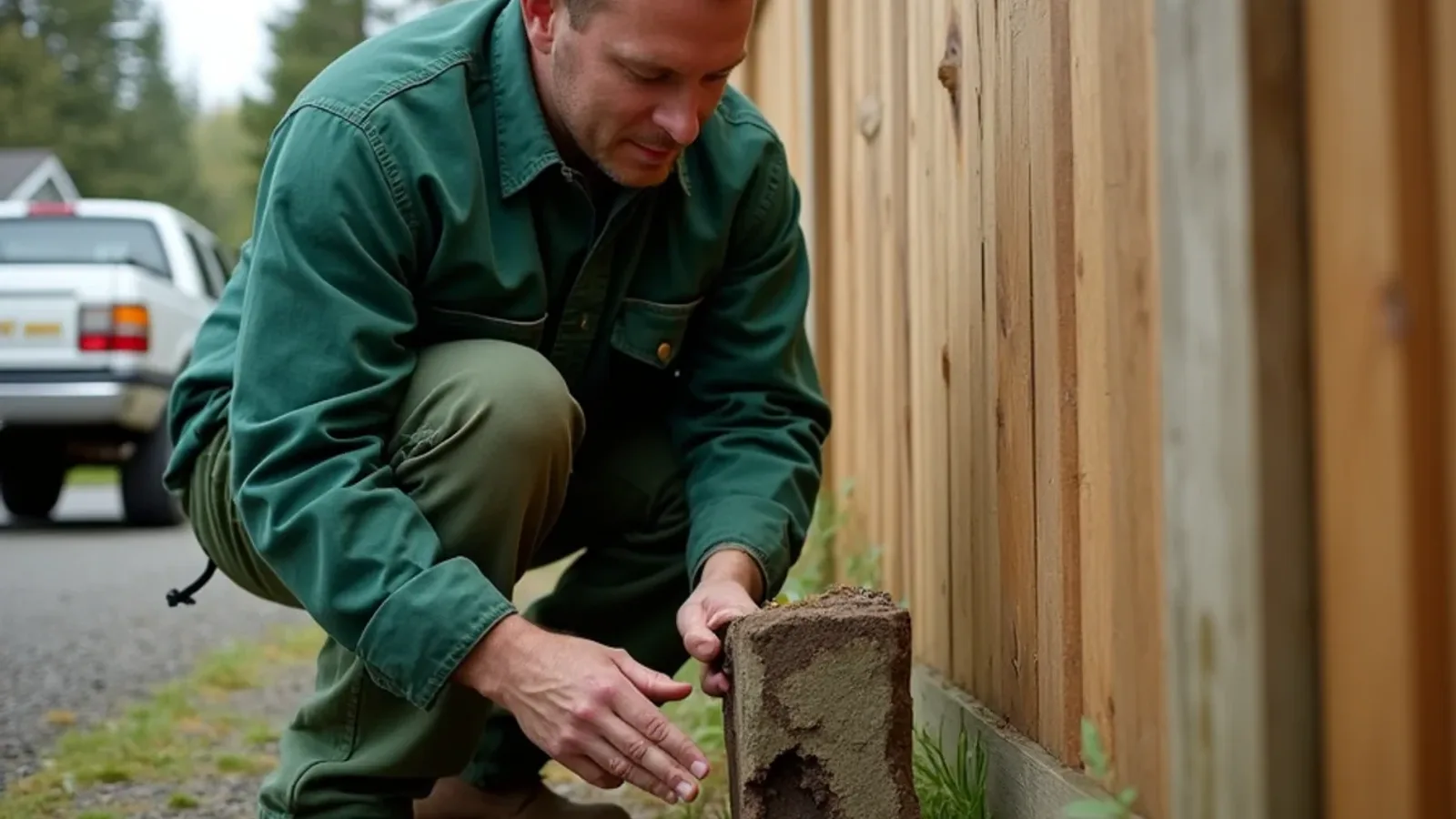
Down on the Puyallup valley floor, the river built the soil, and it stays wet. A high water table means a post hole can hold standing water, and concrete poured into a waterlogged hole does not set or hold the way it should. If the drainage is ignored, posts heave and loosen and the whole run starts to lean within a few seasons, which is why a Puyallup fence lives or dies on how the footing is handled.
On top of the water table, the region's roughly 44 inches of annual rain, concentrated from October through April, keeps the valley saturated through the whole wet season, and wood sitting against that constant damp rots at the soil line and grows moss fast. We counter all of it with proper footing drainage, gravel bases where they help, and material choices like vinyl that do not rot, so a fence on this ground stands straight and lasts despite the conditions.
Fences we build most in Puyallup
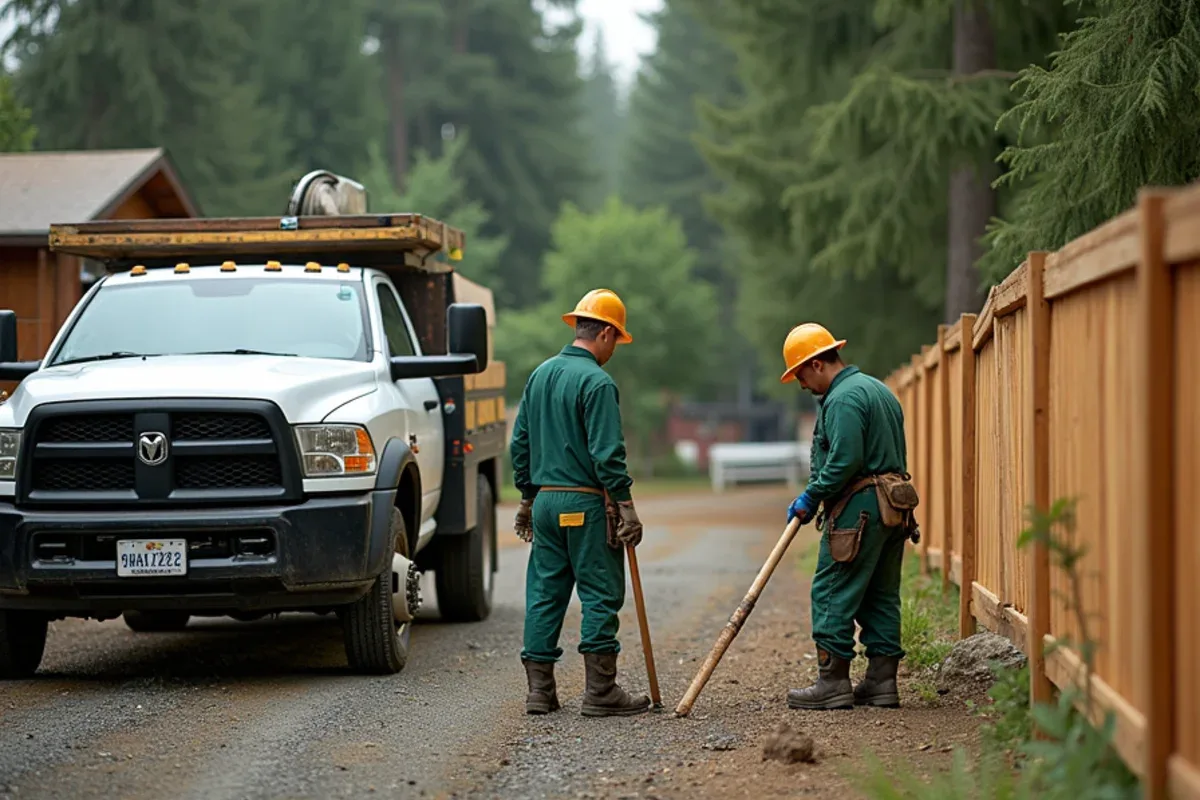
Wet ground steers nearly every choice down here. Here is what we install and repair most across Puyallup.
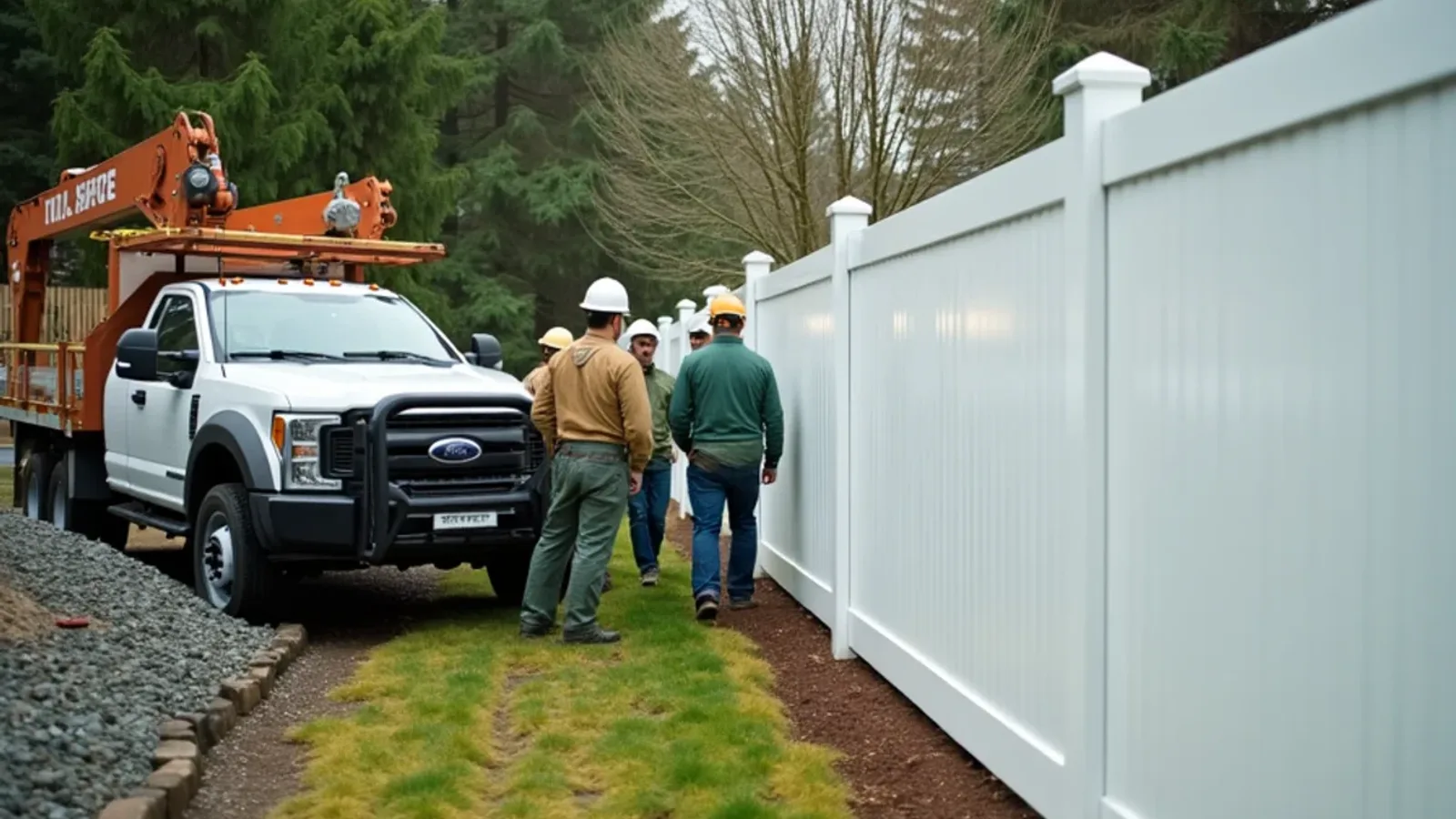
- Vinyl fence, which never rots and suits the damp valley-floor conditions
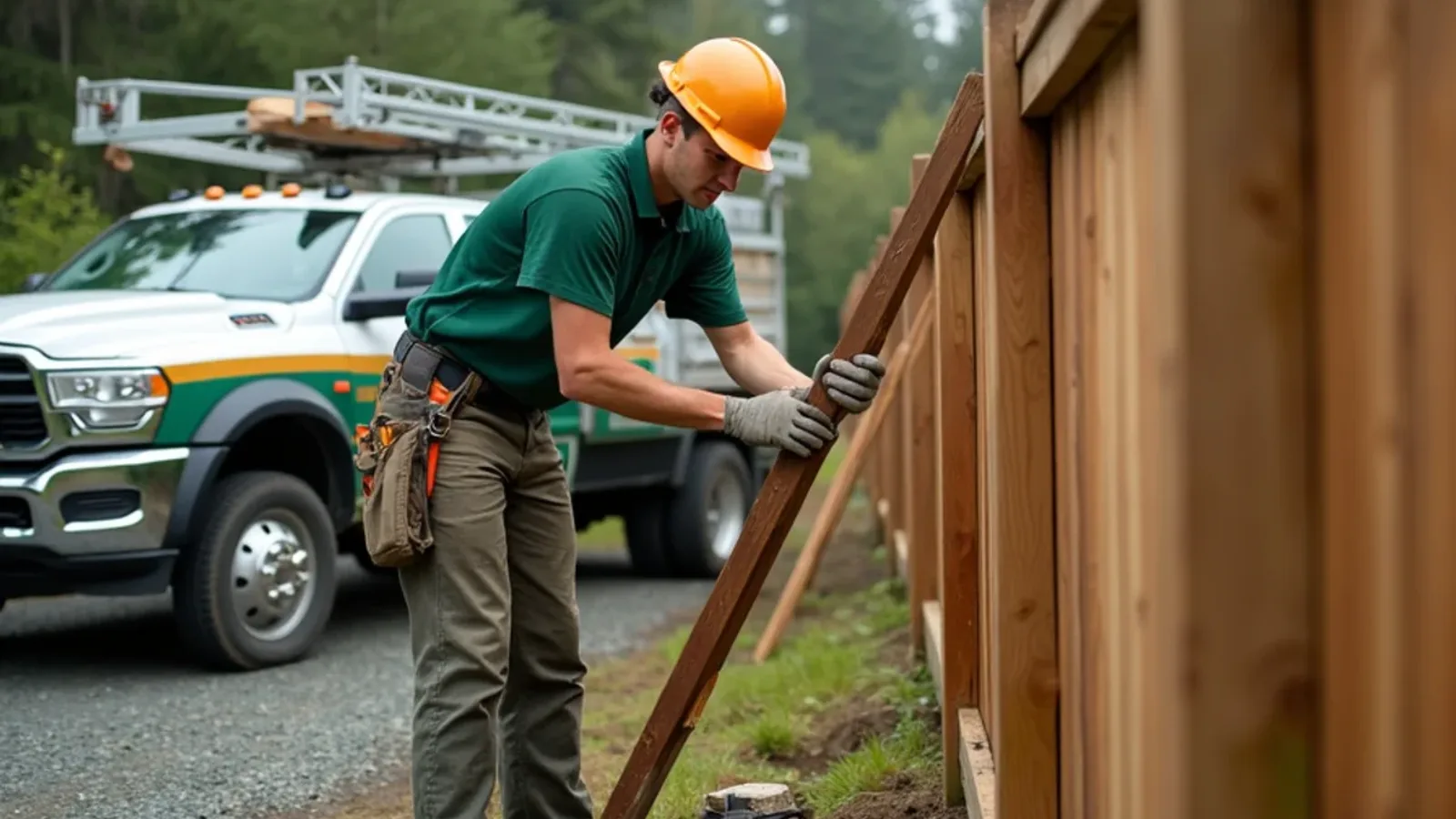
- Fence post repair for runs that have heaved or loosened in the wet soil
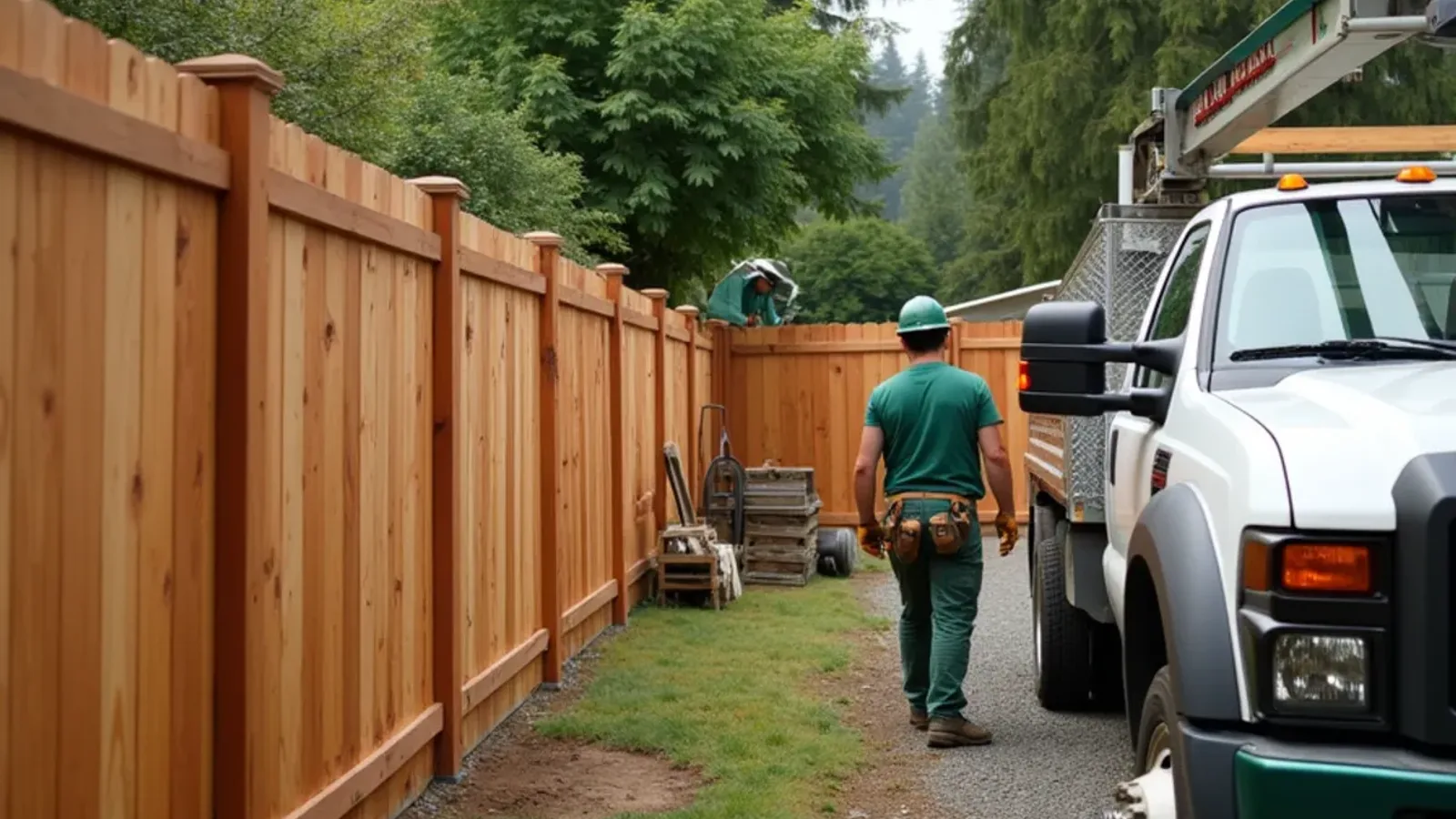
- Wood fence built with drained footings to keep the base out of standing water
- Fence repair for leaning lines that lost their footing after a wet winter
What fails on the valley floor is almost always the footing, not the fence above it, which is why we spend our attention below grade here. A leaning Puyallup run usually traces back to a post that was poured into a wet hole and never truly set, so it heaved with the first saturated winter and dragged the panels out of plumb. Correcting that is not a cosmetic fix; it means resetting the post with real drainage so the same ground that toppled the old fence cannot topple the new one.
How we set footings on Puyallup's wet ground
On valley soil the footing plan is the first conversation, not an afterthought. Here is how a Puyallup project runs.
- Call (614) 543-4232 and tell us if your lot is on the valley floor near the fairgrounds.
- We check the soil and water conditions and plan footing drainage before we quote.
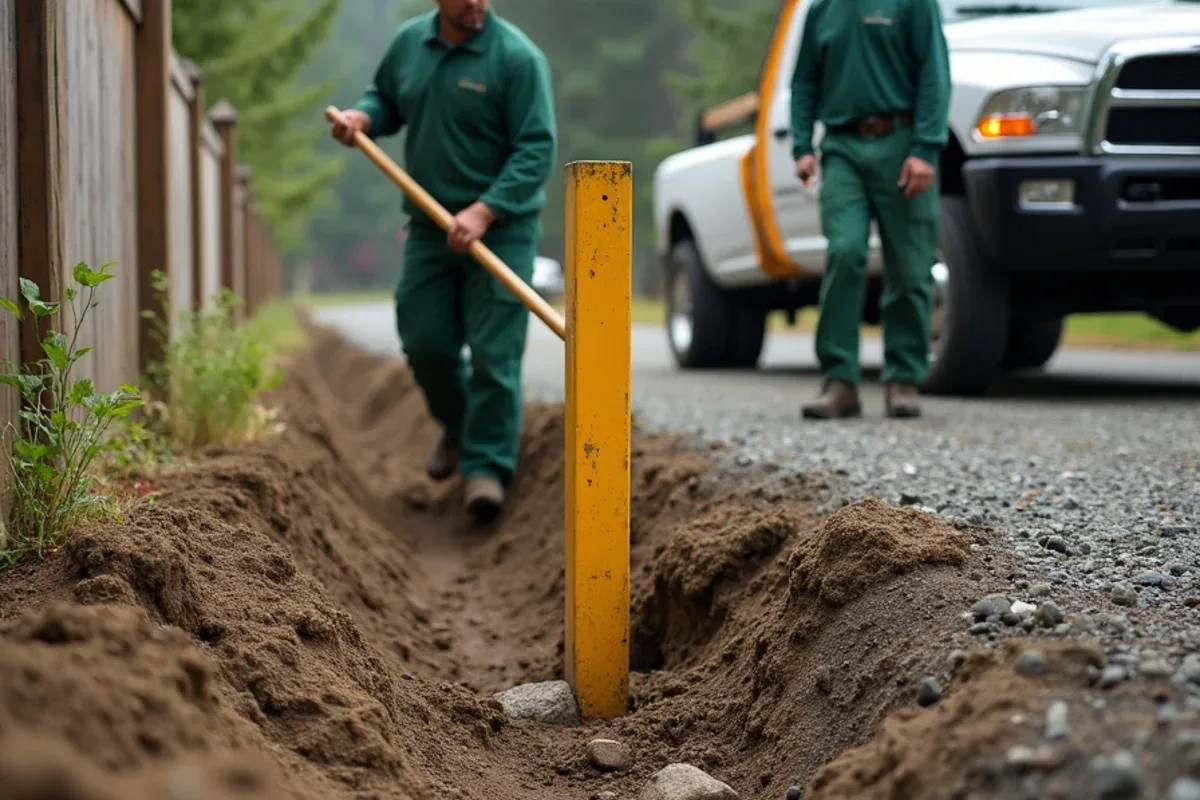
- We place the 811 locate request so buried lines are painted the two business days Washington mandates before excavation.
- We quote the fence with the right footing method and a rot-resistant material if it fits the goal.
- Our crew installs with drained, properly set posts so the line holds on wet ground.
Fencing that holds on the Puyallup valley floor
Working the valley since 2017, we have seen plenty of fences fail because someone treated the footing like it was dry prairie ground. We do not. We plan drainage into every post on this soil, lean toward rot-proof materials where they suit the look, and set a line that stays plumb through the valley's wet winters.
Get a Free On-Site Fence Estimate
Talk to a local Lakewood fence pro. We'll look at your line, your soil and your gates—then quote it in writing.
- Insured & Bonded
- WA L&I #CREATEL809CL
- 4.6★ on Google (51 reviews)
- Free Estimates
- Serving Lakewood since 2017