
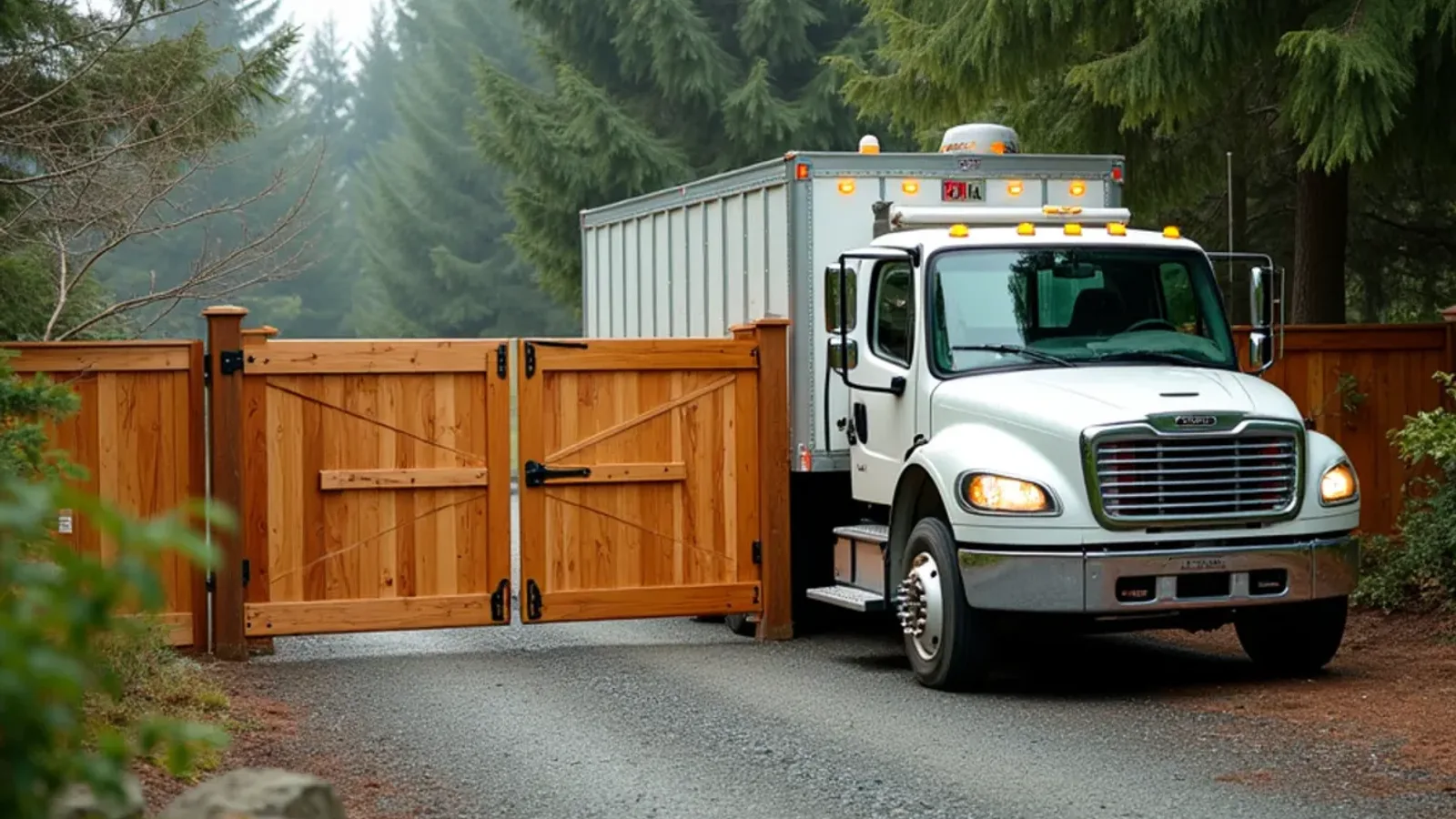
The gate is the part of a fence that gets used every day, and it is usually the first thing to fail. A gate that sags, drags or will not latch almost always traces back to the frame, the hinges or the post — not bad luck. We build gates that stay square, with hardware sized to the gate’s weight and posts set to carry it.
Whether you need a simple walk gate, a wide gate for a trailer or RV, or a double drive gate ready for an automatic opener, the engineering is in the details: an anti-sag brace, a properly set gate post, and hinges and a latch that match the load.
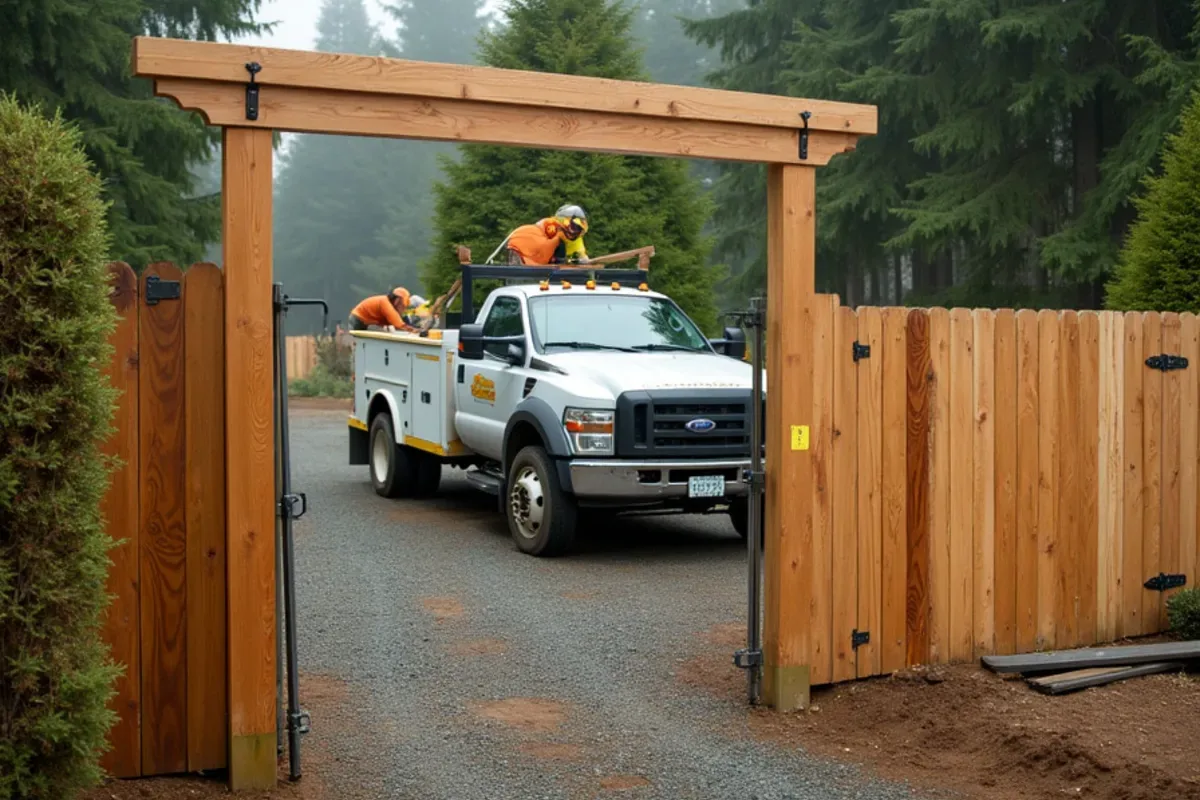
Gates We Build
- Walk gates for yards, side access and pedestrian entries.
- Wide single and double drive gates for trailers, RVs and vehicles.
- Matching wood, vinyl, chain link and ornamental metal gates.
- Self-closing and locking hardware, and gates pre-built for automation.
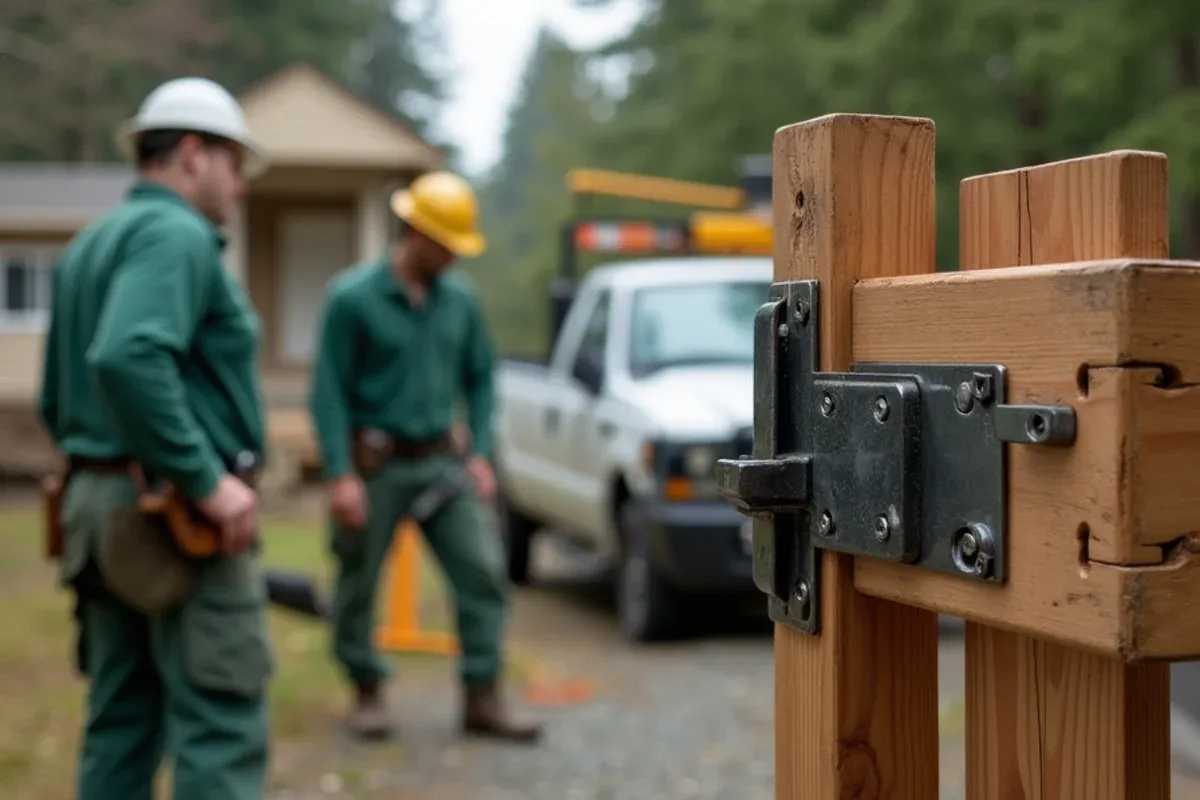
Why Gates Sag (and How We Prevent It)
A gate is a lever: all its weight hangs off the hinge post. Without a diagonal anti-sag brace or cable, the far corner slowly drops until the gate drags. On soft or wet ground, the hinge post itself can lean. We brace the frame, set the gate post deeper and larger than a line post, and use hinges rated for the weight.
Hardware That Actually Lasts
Most gate failures are really hardware failures. Light hinges strip out, a cheap latch rusts shut after a wet winter, and undersized screws pull loose. We fit hinges rated for the gate’s weight, latches that stay aligned, and corrosion-resistant hardware where moisture or salt air is a factor. Self-closing hinges and locking latches go on where kids, pets or a pool make them worth having, and a drop rod steadies the inactive leaf of a double gate.
- Heavy-duty hinges sized to the gate, not the fence.
- Self-closing hinges and self-latching hardware for pool and pet safety.
- Locking latches and keyed options for side-yard security.
- Drop rods and cane bolts for double drive gates.
Sizing a Gate for Vehicles and Equipment
A gate the mower fits through is one thing; a gate for a truck, trailer, RV or boat is another. We measure the approach and the turn-in, not just the opening, because a gate that is technically wide enough can still be impossible to swing a trailer through. Wide openings almost always go in as a double gate so the weight is split between two posts and the swing is manageable.
Automating a Gate
Any properly built drive gate can be automated now or later. Even on a manual install we can pre-plan the opener — sizing the posts, running conduit and choosing a gate the operator can handle — so adding automation down the road is a simple upgrade. For homes and businesses that want keypad or remote entry from day one, we tie the gate build and the opener together, with the UL 325 safety sensors the code requires.
The Gate Post Does the Heavy Lifting
If one detail decides whether a gate lasts, it is the gate post. A line post holds a panel; a gate post holds a panel plus the swinging weight of the gate every time it opens. We set gate posts bigger, deeper and in more concrete than the line posts, and on a wide or heavy gate we may use a steel post so it cannot lean. Get the post right and the hinges and brace keep the gate square for years; get it wrong and no amount of hardware saves it.
Keeping a Gate Working Through Wet Winters
Our wet season is hard on gates: wood swells, ground softens and hinges loosen. A quick seasonal check — snug the hinge screws, clear debris from the latch, make sure the post is still plumb — heads off most of the sagging-and-sticking calls we get every spring. When a gate does start dragging, catching it early keeps it a quick fix rather than a rebuild.
How We Build a Gate That Lasts
A gate is the one part of a fence that moves thousands of times a year, so we build it like the hardworking machine it is.
- Set an oversized gate post — deeper, bigger and in more concrete than a line post, or steel for a heavy gate.
- Build a square frame with a diagonal anti-sag brace or a tension cable so the far corner cannot drop.
- Hang it on hinges rated for the gate’s weight, with the right clearance for our wet, leafy months.
- Fit the latch — self-closing or locking where pets, pools or security call for it — and align it true.
- For a double or drive gate, add a drop rod or cane bolt and leave room for a future opener.
- Test the swing and latch, then adjust until it closes cleanly on its own.
Gates for Trailers, RVs and Boats
A gate the mower fits through is one thing; a gate for a truck, trailer, RV or boat is another. We measure the approach and the turn-in, not just the clear opening, because a gate that is technically wide enough can still be impossible to swing a trailer through. Wide openings almost always go in as a double gate so the weight is split between two posts, or as a sliding gate where there is no room to swing. We size the hardware and the posts to the real load so a big gate does not sag the first season.
Why Homeowners Call Us for Gates
Most gate failures are really post-and-frame failures, and that is exactly what a cheap install gets wrong. We have been building and fixing gates across Lakewood since 2017, so we size the post and brace to the gate instead of hanging a heavy gate on a standard fence post and hoping. Creative Effects is a registered Washington contractor (L&I #CREATEL809CL), insured and bonded, rated 4.6★ on Google. Whether it is a garden walk gate or a double drive gate ready for automation, it will swing true after the first wet winter.
Get a Free On-Site Fence Estimate
Talk to a local Lakewood fence pro. We'll look at your line, your soil and your gates—then quote it in writing.
- Insured & Bonded
- WA L&I #CREATEL809CL
- 4.6★ on Google (51 reviews)
- Free Estimates
- Serving Lakewood since 2017
Explore Gate Installation
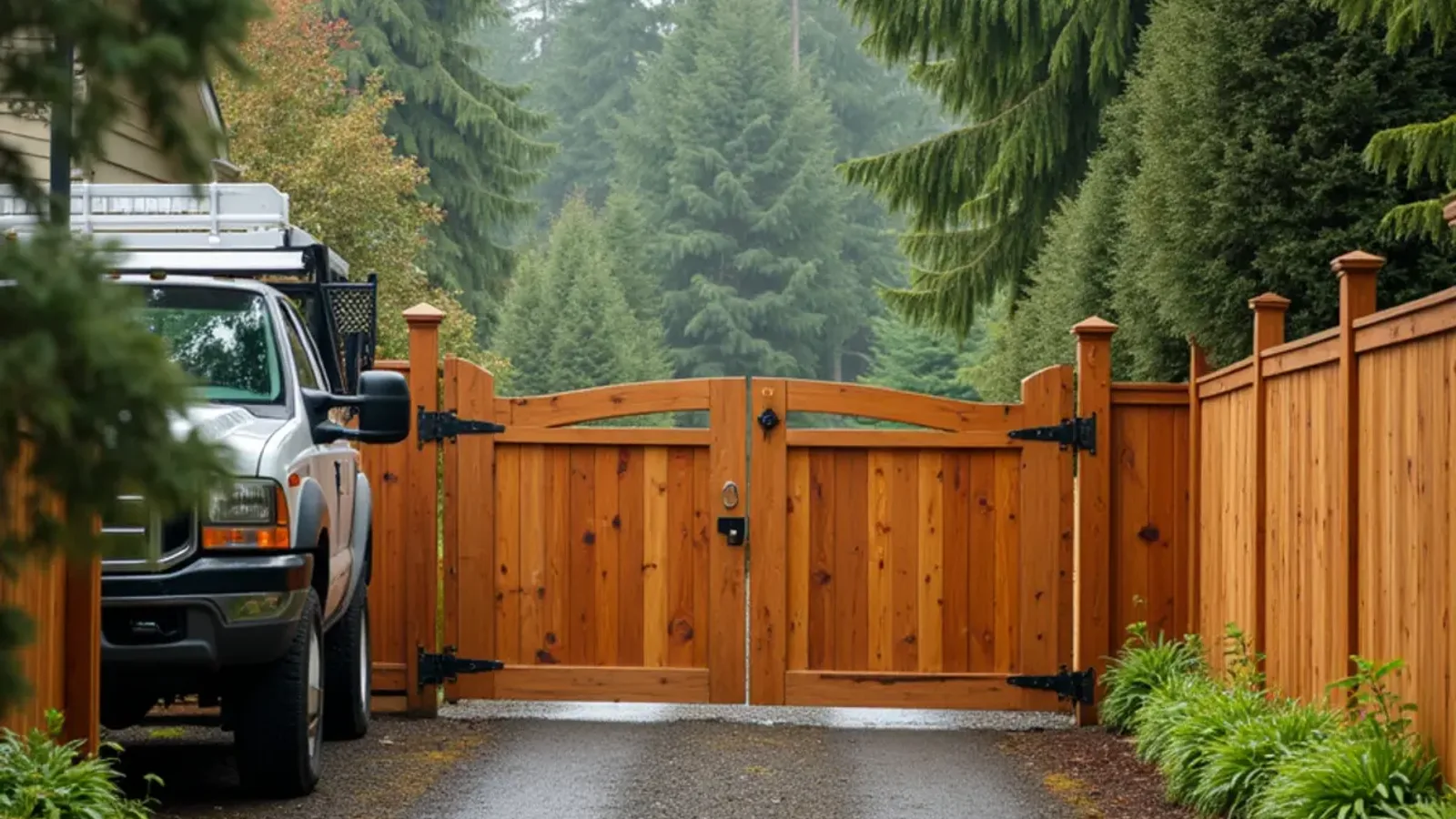
Driveway Gates
Swing and sliding driveway gates in wood, steel or aluminum, ready for automation.
Learn more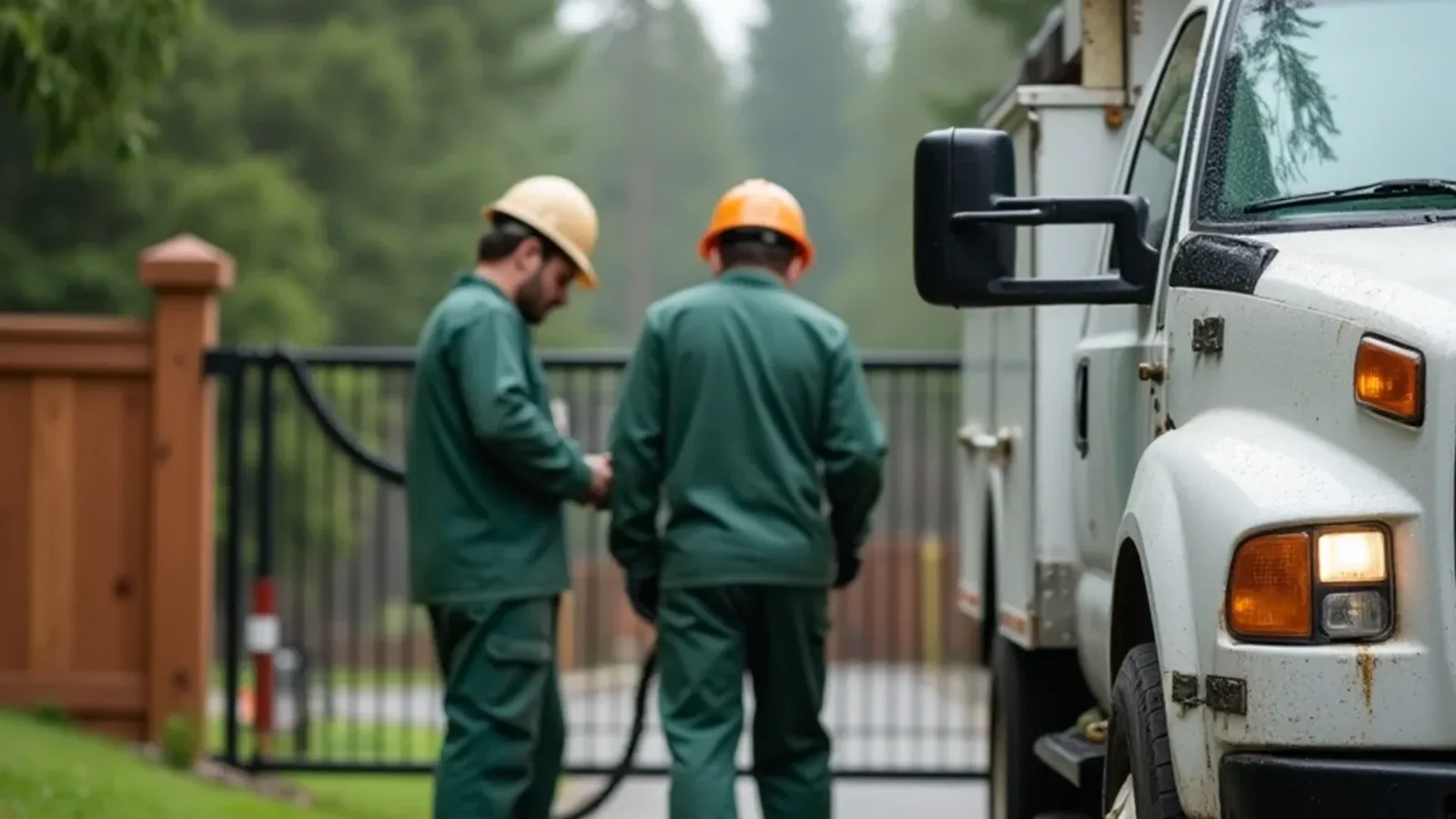
Automatic Gate Openers
Gate operators, keypads and access control with UL 325 safety sensors.
Learn more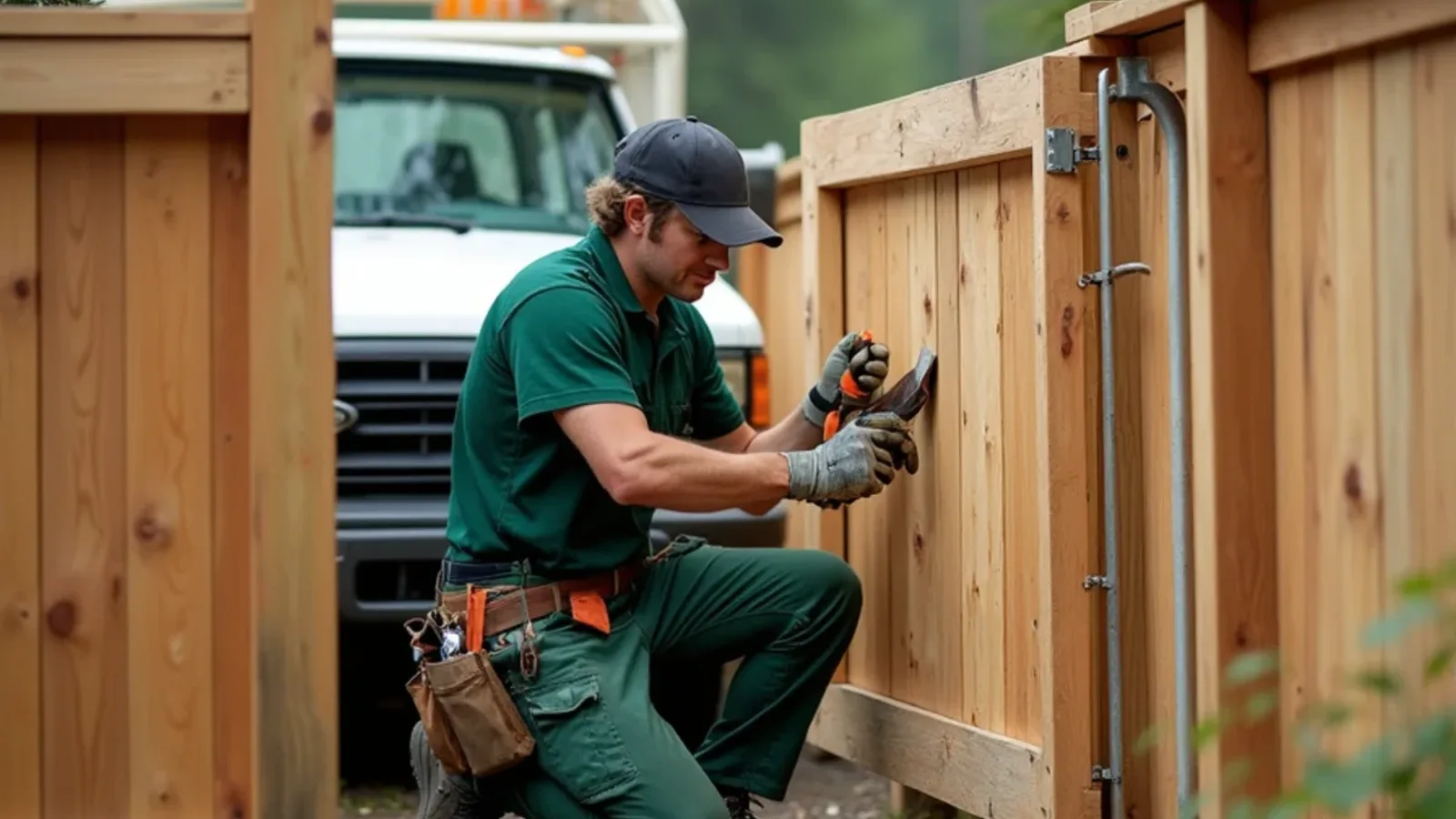
Gate Repair
Fix sagging, dragging and stuck gates with hinges, bracing and post resets.
Learn moreGate Installation FAQs
- All the weight hangs off the hinge post, so without a diagonal brace the far corner drops and the gate drags. We build in an anti-sag brace or cable, set a bigger, deeper gate post, and use hinges rated for the weight so the gate stays square.